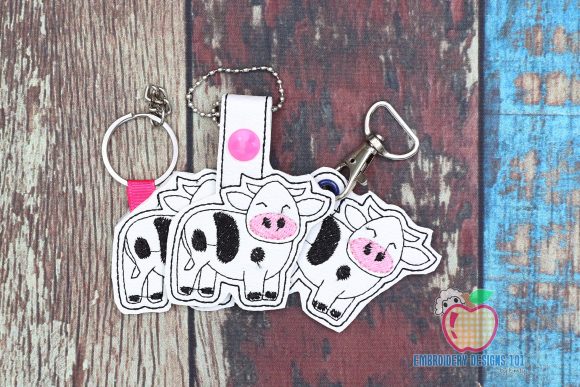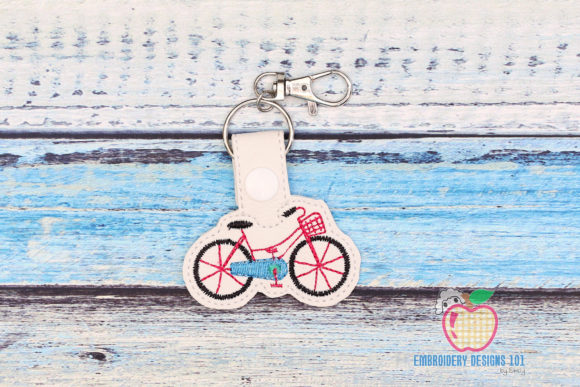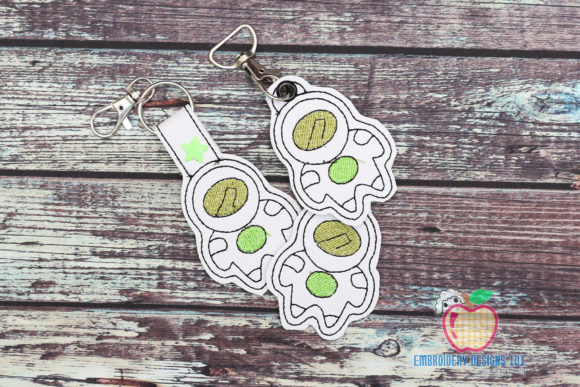
Astronaut in Suit in the Hoop Keyfob
First Impression: Playful, Professional, and Perfectly Scalable
As an embroidery designer who’s developed hundreds of commercial machine embroidery designs for small businesses, my first read on Astronaut in Suit in the Hoop Keyfob is immediate and positive: it’s a confident, friendly, and inherently scalable concept. The title alone signals strong visual storytelling — space exploration meets everyday utility — and that duality works beautifully for brands targeting teenagers, creative studios, science-themed boutiques, or even local cafés with a “reach for the stars” ethos. It feels modern without being sterile, playful without sacrificing polish. Unlike overly intricate astronaut motifs, this design leans into clean silhouettes and intentional negative space — a smart signal that it was built for real-world embroidery, not just digital display.
Real-World Business Use: More Than Just a Keychain
Don’t let “keyfob” limit your thinking. Astronaut in Suit in the Hoop Keyfob shines as a versatile embroidery file across high-value small business merch categories. As an embroidered patch, it reads clearly at 2.5"–3", making it ideal for chest placement on staff aprons, tote bags, or boutique-branded denim jackets. Its three built-in versions — Snap Tab, Eyelet, and Ribbon — mean you’re not just embroidering a logo; you’re delivering a finished product-ready component. That’s invaluable for Etsy sellers bundling handmade goods, craft studios offering custom cap embroidery, or florists adding branded flair to reusable gift totes.
In practice, I’ve used similar in-the-hoop keyfob structures for café uniforms (stitched onto sleeve cuffs), pet brand collars (as a subtle tag accent), and even bakery packaging — heat-sealed onto kraft paper gift tags with ribbon loops. The 4×4 hoop compatibility means it fits seamlessly into standard production workflows, whether you’re running ten units for a pop-up event or scaling to 200 for a school STEM program’s custom apparel. And because it’s designed as a complete in-the-hoop build, there’s no post-stitch assembly — fewer errors, faster turnaround, and stronger consistency across batches.
Where to Use It Thoughtfully — Not Everywhere
Even strong designs have boundaries. With Astronaut in Suit in the Hoop Keyfob, avoid placing it on highly curved surfaces like cap fronts unless you confirm the stitch density allows for smooth fabric drape — dense fill areas may pucker on structured caps without proper stabilizer and tension calibration. Similarly, while it scales well down to ~2", don’t push below 1.75" without testing: fine suit details (like helmet reflection lines or glove seams) can blur or vanish on tiny patches, especially on textured fabrics like canvas or twill.
Dark uniforms? No problem — but verify thread color contrast before bulk runs. A light silver or metallic thread on navy or charcoal creates instant premium appeal, while neon orange or electric blue adds youthful energy for teen-focused brands. Also, remember: high stitch density improves durability but increases wear on needles and machines. If you’re producing 50+ units weekly, monitor thread breaks and needle wear — especially around tight curves in the helmet or backpack outline.
Brand Identity & Customer Trust — Subtle But Strategic
This isn’t just decoration — it’s brand language in thread. An astronaut motif communicates curiosity, aspiration, and forward-thinking energy. For a local bookstore launching a “Young Explorers” reading program, or a sustainable skincare brand named *Orbit Botanics*, Astronaut in Suit in the Hoop Keyfob becomes a tactile signature. Customers notice consistency: same astronaut patch on staff aprons, tote bags, and limited-edition product labels. That repetition builds recognition faster than social media posts alone. And because it’s an in-the-hoop design — meaning precise, repeatable construction — it signals professionalism and attention to detail. Handmade product buyers equate that precision with care, raising perceived value and encouraging repeat purchases.
Practical Designer Notes for Commercial Success
Before cutting your first fabric, follow these tested steps:
- Test in black and white first — confirms readability and balance without color distraction.
- Check small-patch performance — resize to 2.25" and stitch on scrap fabric matching your end-use material (e.g., cotton duck for totes, poly-cotton blend for aprons).
- Review thread color contrast — especially for dark or busy backgrounds. A mid-tone grey astronaut on olive canvas? Yes. Same grey on heather grey fleece? Probably not.
- Inspect spacing between elements — ensure helmet, suit, and backpack maintain clear separation at reduced sizes. Tight gaps can fill in during stitching.
- Confirm hoop size compatibility — the description says 4×4 hoop friendly (and optionally 5×), but always verify your machine’s actual stitch area and margin allowances.
- Test on real fabric with proper stabilizer — lightweight tear-away for cotton totes, cut-away for stretchy or unstable knits used in youth apparel.
- Create a printable mockup — use it for client approval before production. A well-placed astronaut on a digital apron mockup sells the vision instantly.
- Compare beside existing design assets — does it harmonize with your current logo, typography, and color palette? Consistency strengthens brand identity.
- Confirm commercial licensing — since this is intended for small business merch, ensure your purchase includes rights for resale, promotional use, and client projects.
Finally, keep Teenagers in mind as both audience and end-user: their engagement hinges on authenticity and visual confidence. This design delivers both — it doesn’t talk down, it invites participation. Whether stitched onto a science camp T-shirt or a handmade jewelry pouch, Astronaut in Suit in the Hoop Keyfob functions as more than embroidery — it’s a quiet statement of values, craftsmanship, and shared imagination. For embroidery shops, apparel decorators, and small business owners building memorable, tactile brand experiences, it’s not just another machine embroidery design. It’s a ready-to-deploy asset with built-in storytelling power.