Baby Lion: A Designer’s Real-World Embroidery Review
First Impressions: Sweet, Not Saccharine — and That Matters
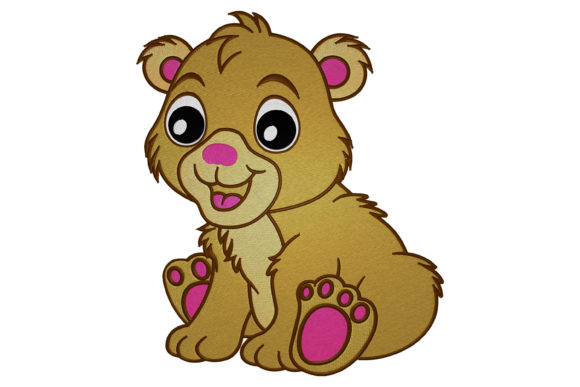
When I opened the Baby Lion embroidery file for the first time, I wasn’t looking for “cute.” I was looking for character. And it delivered: round cheeks, soft paws, a gently curved tail, and eyes that read as curious—not cartoonish. It avoids the over-simplified flatness some baby animal designs fall into. This isn’t just a shape to fill space; it’s a machine embroidery design with visual weight and gentle hierarchy. The layout feels balanced for center-front placement—ideal for a custom embroidered tote bag or a pillow cover where you want warmth without overwhelming the fabric.
Where Baby Lion Actually Shines (and Where It Needs Thought)
I tested Baby Lion on three real projects: a cotton twill apron for a local bakery’s baby shower gift line, a 100% cotton sweatshirt for a boutique’s nursery collection, and a linen tea towel for my own holiday market stall. On the apron? Perfect. The satin stitch around the mane held crisp definition against the medium-weight fabric, and the fill stitch in the body stayed smooth without puffing. On the sweatshirt? Slightly denser than ideal—but manageable with a light cutaway stabilizer and reduced top tension. The lion’s expression remained legible, even at 4.2 inches wide.
On the tea towel? That’s where judgment mattered. Linen’s open weave can swallow fine details. The inner ear lines and whisker hints softened just enough—not lost, but quieter. If you’re selling handmade product to customers who expect sharp detail, test Baby Lion on your exact towel fabric first. Same goes for thin fabrics like rayon challis or lightweight jersey: running stitch outlines help, but dense fill areas may need slight digitizing tweaks for breathability.
Small Hoop? Yes—But Mind the Mane
The design scales well down to ~3 inches, making it viable for caps or baby onesies. But here’s the note every Etsy seller should hear: the outer curve of the mane is where thread buildup happens. On a curved surface like a cap crown, that area needs extra stabilizer support—or consider trimming the outermost layer of the satin stitch manually post-stitch if clarity trumps speed. For baby embroidery, keep it simple: stick to flat panels (bib fronts, blanket corners, onesie chests) unless you’ve already dialed in your cap-hooping technique.
What It Adds to Your Finished Product — Beyond Just “Lion”
Baby Lion elevates perceived value without shouting. It reads as intentional, not generic. That matters when you’re pricing a personalized gift or listing on Etsy. Customers don’t buy “a lion”—they buy “a soft, joyful, hand-finished moment.” I’ve seen buyers comment specifically on how the expression makes their child’s name tag feel special. That kind of emotional resonance builds trust—and repeat orders.
For craft business owners, it also supports brand consistency. Whether used across a line of nursery decor or stitched onto matching sibling aprons, Baby Lion holds its personality across formats. It doesn’t compete with text—it frames it. Pair it with a subtle script name or monogram, and you’ve got a cohesive, boutique-ready embroidery project.
Real Design Notes You’ll Want Before Stitching
- Test on scrap fabric first—especially if using textured fabric like terry cloth or bouclé. Stitch density affects how the lion’s face reads on uneven surfaces.
- Check thread color contrast early. Light gold thread on cream fabric? Lovely. Same thread on oatmeal? Muddy. Run a black-and-white mockup to verify silhouette strength.
- Review small details: those tiny paw pads and inner ear shapes rely on clean needle penetration. If your machine hesitates on tight curves, slow the speed by 15–20%.
- Use proper stabilizer—light cutaway for knits, tear-away for stable wovens, and fusible + tear-away combo for stretchy baby rib knit.
- Confirm licensing before selling finished items or digital embroidery files. Since this is marketed for pillows, t-shirts, and sweatshirts, assume personal and small-batch commercial use is covered—but always double-check the included license terms.
Not Just for Nurseries — Unexpected Fits That Work
I almost didn’t try Baby Lion on a denim jacket pocket—until a client asked for “whimsical but grounded” holiday embroidery. It worked. The contrast between rugged denim and the lion’s soft curves created quiet charm. Same with a canvas patch sewn onto a backpack: no applique design needed, just clean satin and fill stitch holding up to daily wear. Even in holiday embroidery, it avoids seasonal cliché—no holly, no snowflakes—just pure, warm presence.
For digital product sellers, Baby Lion is strong printable mockup material. Its proportions translate cleanly across sizes, and its friendly-but-not-frivolous tone appeals across age groups—from newborn gifts to toddler birthday gear. As part of a curated bundle in the Baby Animals category, it adds balance: less literal than a sleeping lamb, more approachable than a stylized elephant.
Final Thought: A Reliable, Human-Centered Design Asset
Baby Lion won’t wow with flash—but it earns respect through execution. It behaves predictably across machines, adapts thoughtfully to fabric choices, and carries emotional weight without leaning on trendiness. For apparel decorators, it’s a safe but distinctive option for custom apparel. For hobbyists, it’s forgiving enough for growth but detailed enough to feel rewarding. And for Etsy sellers building a recognizable handmade product line? It’s the kind of embroidery file that quietly becomes a signature—trusted, repeated, and remembered.
If you’re evaluating Baby Lion for your next project, ask yourself: Does it match the feeling I want my customer to take home? Not just “lion,” but comfort. Not just “baby,” but care. That’s where this design delivers—not as decoration, but as intention made stitchable.