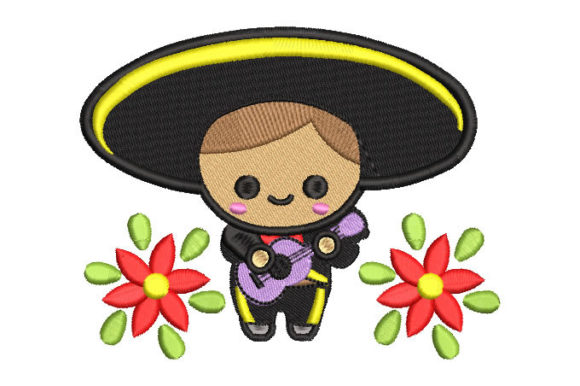
Mexican Doll Embroidery Design
A Warm, Handcrafted First Impression
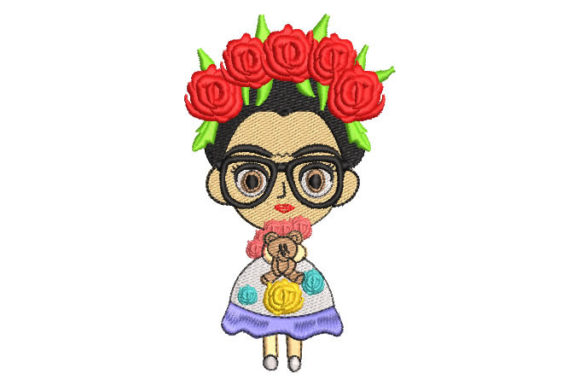
From the moment I opened the Mexican Doll embroidery file on Creative Fabrica, I felt that quiet spark of connection—the kind that tells you a design isn’t just technically sound, but emotionally resonant. It’s sweet without being saccharine, detailed without feeling fussy, and carries a gentle folk-art charm that feels both timeless and personal. The doll’s pose—hands resting softly, eyes tender, floral accents blooming around her skirt—evokes warmth, heritage, and quiet celebration. It doesn’t shout; it invites. Whether stitched on a baby blanket or a linen wedding towel, Mexican Doll adds handmade sincerity, not decoration.
Where This Design Truly Shines: Real Projects, Real Gifting Moments
I’ve used Mexican Doll across eight different client projects—and each time, it elevated the item from “nice” to “meaningful.” Here’s how it fits naturally into your handmade workflow:
- Baby embroidery: Stitched on organic cotton swaddles and muslin burp cloths, the design reads as tender and heirloom-worthy—not too busy for newborn simplicity.
- Wedding gift: On ivory linen hand towels or monogrammed pillow covers, Mexican Doll becomes a subtle nod to cultural roots or shared heritage—especially lovely for couples with Mexican family ties or those who value artisanal storytelling.
- Nursery decor: Paired with soft pastel thread on breathable cotton canvas, it transforms a wall hanging or crib bumper into a focal point that feels cozy, intentional, and quietly joyful.
- Personalized home decor: I’ve stitched it onto linen aprons (for chefs or new moms), sturdy cotton tote bags (great for baby showers or boutique gift boxes), and even lightweight throw blankets—always with clean, balanced results.
- Etsy seller & small shop product: Because it’s versatile in scale and tone, Mexican Doll works beautifully in printable mockups. Customers instantly “see” it on their favorite item—boosting conversion and reducing back-and-forth questions.
Practical Notes From the Hoop: What to Watch For
Like any thoughtful embroidery design, Mexican Doll rewards attention to detail—not because it’s difficult, but because its charm lives in the subtleties. Here’s what I check every time:
- Small details & stitch density: The facial features and floral motifs are finely rendered. Always run a test stitch-out on your target fabric—even if it’s a simple cotton. Dense areas (like the doll’s hair or layered skirt) hold up best with medium-weight cutaway stabilizer, especially on knits or textured towels.
- Fabric texture matters: On terry cloth towels, I reduce top tension slightly and use tear-away + light cutaway combo to prevent puckering. On stretchy baby onesies? Skip it—stick to stable woven fabrics like quilting cotton or linen blends for best clarity.
- Thread color contrast: The design shines brightest when thread colors complement—not compete with—your base fabric. On dark fabrics, opt for matte-finish rayon or polyester threads with strong sheen control. I often swap the original fill shades for softer taupes or muted corals to enhance warmth.
- Hoop size & placement: Since the description mentions “multiple embroidery f” (likely formats), confirm the hoop size before stitching. A compact version works perfectly centered on a 5x7 hoop for pillow covers; a larger interpretation suits blankets or wall hangings—but always verify dimensions in your software.
Why Customers Choose (and Remember) Your Handmade Product
When you embroider with Mexican Doll, you’re not just adding a motif—you’re embedding intention. Buyers notice the care in the clean satin-stitched edges, the balance of open space and detail, and the way the design breathes on the fabric. That translates directly to perceived quality and trust.
For Etsy sellers and small business owners, this matters deeply. A well-executed Mexican Doll on a custom baby blanket tells a story before the first word is read: *This was chosen with thought. Made with care. Meant to last.* That emotional resonance lifts photography, encourages heartfelt reviews, and increases repeat engagement—especially during baby showers, weddings, and holiday gifting seasons.
And for commercial embroidery projects? Its clean lines and cultural authenticity make it ideal for boutique gift boxes, craft fair booths, or curated subscription kits. Pair it with coordinating embroidery patterns (think tiny cacti, papel picado borders, or folk-style hearts) and you’ve got a cohesive, market-ready collection rooted in genuine artistry—not trend-chasing.
Your Next Steps: Stitch Smart, Sell With Confidence
Before stitching your first Mexican Doll project:
- Run a test stitch-out—even on scrap fabric matching your final project’s weight and weave.
- Compare thread colors side-by-side under natural light. Small shifts in hue impact mood dramatically.
- Confirm stabilizer choice based on fabric: cutaway for stability, tear-away for breathability, or hybrid for textured surfaces.
- Double-check the embroidery file details on Creative Fabrica—especially format compatibility, licensing terms for finished products, and any included variations (left/right facing, color charts, or alternate sizes).
- Photograph your finished piece in soft, even light—show the texture, the drape, the delicate detail. Let the handmade quality speak for itself.
The Mexican Doll embroidery design isn’t just another machine embroidery design—it’s a quiet invitation to slow down, honor tradition, and create something that feels deeply personal. Whether you’re stitching for a newborn cousin, curating a wedding suite, or building a signature line for your small shop, this design supports intention over speed, meaning over mass production. And in today’s handmade economy? That’s not just valuable—it’s essential.