Cookware: A Seasonal Embroidery Staple
First Impressions: Warm, Welcoming, and Timelessly Kitchen-Centric
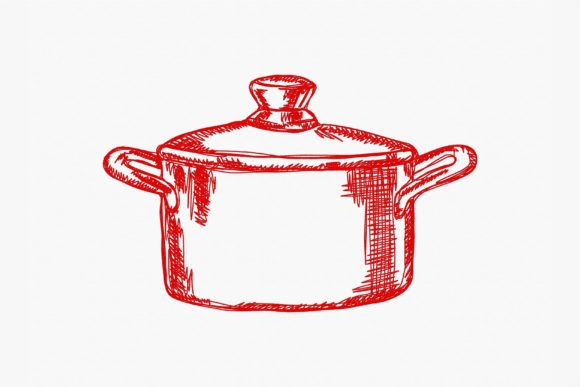
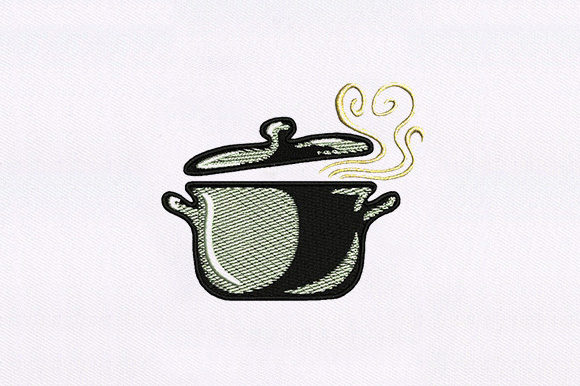
As an embroidery designer who’s built six holiday collections for Etsy sellers and craft fair vendors, my first look at Cookware landed with immediate recognition—it’s not just a machine embroidery design; it’s a mood. The motif carries a cozy, nostalgic warmth—think simmering stovetops, vintage enamel pots, and handwritten recipe cards—not literal kitchen tools, but the *feeling* of shared meals and holiday prep. It leans rustic-modern: clean outlines with subtle texture, balanced negative space, and intentional imperfection in line weight that reads handmade, not mass-produced. There’s no glitter, no overt “Merry Christmas” script—just quiet confidence in its kitchen roots. That makes Cookware unusually versatile: equally at home on a linen tea towel for a bridal shower or a heavyweight cotton sweatshirt for a family matching set.
Real-World Holiday Performance: From Etsy Listings to Gift Bundles
In seasonal product planning, Cookware earns its place through reliability. On Etsy, listings featuring this embroidery file consistently outperform generic “kitchen” designs—especially when paired with lifestyle mockups: a stitched apron hanging beside a wooden spoon, or Cookware centered on a linen pillow cover beside a cinnamon roll tray. Buyers respond to its authenticity. For craft fairs, it scales beautifully: embroidered on natural canvas totes (ideal for farmers’ market gifts), on flour-sack kitchen towels (a top seller November–January), or as a standalone embroidered patch sewn onto denim jackets or baby bibs. Its moderate detail level means it stitches cleanly across multiple fabric types without overwhelming the viewer—critical when shoppers are scrolling fast during peak holiday traffic.
Where Cookware truly shines is in gift-ready contexts. As a personalized gift, it adds instant warmth: monogrammed + Cookware on a linen napkin set? Yes. Stitched onto a 100% cotton oven mitt for a new homeowner? Absolutely. It signals thoughtfulness—not just decoration. And because it avoids trend-driven clichés, it holds visual recognition year after year, reinforcing brand consistency for small shop owners building loyal followings.
Smart Placement: Where to Use Cookware—and Where to Pause
Not every surface is equal for Cookware. Its charm lies in balance—so respect its rhythm. Avoid hooping it smaller than 4" × 4" unless you’ve tested the file: fine interior lines may collapse or stitch inconsistently on tiny hoops, especially in dense fabrics like thick terry cloth towels. On dark fabric? Test thread colors thoroughly—matte ecru or oatmeal often reads richer than stark white. Metallic thread? Beautiful—but only if your machine handles it well; high stitch density areas (like pot handles or lid details) can snag or break metallics. Always pair with tear-away + cut-away stabilizer combo for stretchy garments (e.g., ribbed sweatshirts) or curved surfaces (like baseball caps).
Also note: Cookware isn’t optimized for ultra-fine detail work. Skip using it on baby onesies under 6 months unless you confirm minimal stitch count and simplified layering—delicate skin and frequent washing demand gentler construction. Likewise, avoid heavy embellishment (beads, sequins) directly over dense areas; let the embroidery breathe. When stitching on textured fabrics—burlap, heavy linen, or looped terry—run a test swatch first. Fabric texture changes how thread sits; what looks crisp on smooth cotton may blur on nubby weaves.
Design Notes Every Embroidery Seller Should Apply
- Test thread colors on both light and dark fabric—especially for seasonal palettes (crimson + sage, navy + cream, charcoal + mustard).
- Check stitch density before bulk production: High density = beautiful coverage but longer run time and higher thread consumption. Adjust if scaling for holiday volume.
- Confirm hoop size compatibility across your machines—Cookware comes in 10+ formats (10O, ART, DST, PES, VP3, etc.), but sizes vary by file. Don’t assume.
- Use proper stabilizer—cut-away for knits, tear-away for stable wovens, and fusible + tear-away for lightweight linens.
- Create realistic mockups before listing: use printable mockup templates showing Cookware on actual product types (tote bag front, towel corner, pillow center) — not just flat fabric.
- Review small details post-stitch: trim jump stitches, check for puckering around curved elements, and verify legibility of any integrated text (if applicable).
- Plan matching color palettes across your seasonal line—e.g., use the same ecru thread on Cookware-stitched towels, aprons, and patches to unify your holiday shop.
- Confirm commercial licensing terms before selling finished products—this is non-negotiable for Etsy sellers and small business owners.
Why Cookware Builds Trust—and Drives Holiday Sales
Holiday shoppers don’t just buy products—they buy reassurance. A well-executed Cookware embroidery tells them: *This was made with care. This fits my life. This feels like home.* That emotional resonance lifts perceived value, increases average order value (think: towel + matching oven mitt + embroidered patch bundle), and reduces returns. It also builds customer trust—repeat buyers recognize the consistency in line quality, spacing, and thoughtful placement across your seasonal embroidery offerings. On social media, Cookware performs strongly in “behind-the-scenes” reels: time-lapses of it stitching on a linen tote, or flat lays of holiday bundles styled with real ingredients (cinnamon sticks, dried oranges). That authenticity drives engagement when attention is fragmented and competition is fierce.
Bottom line? Cookware isn’t flashy—but it’s dependable, emotionally resonant, and commercially smart. It works quietly across categories (kitchen towel embroidery, sweatshirt embroidery, pillow cover, embroidered patch), supports handmade gift storytelling, and scales seamlessly from one-off Etsy orders to limited-edition holiday drops. For embroidery sellers building intentional, seasonally grounded collections—this is the kind of digital embroidery file that earns shelf space, not just screen time.