Toy Train Embroidery Design Review
First Impressions: Charm, Clarity, and Craftsmanship
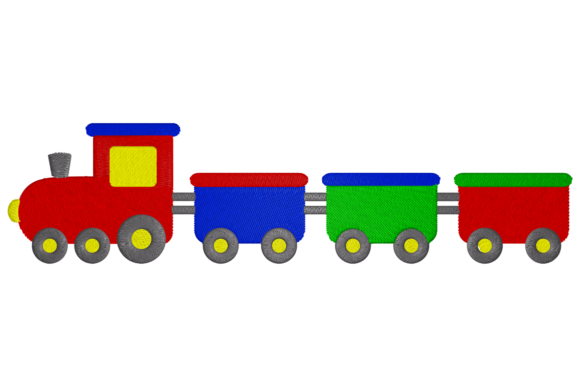
When I opened the Toy Train embroidery file on my digitizing software, I smiled—immediately. This isn’t just another clip-art-style train; it’s a thoughtfully composed machine embroidery design with personality. Rounded wheels, a friendly smokestack, cheerful windows, and subtle stitching cues (like gentle satin stitch curves for the cab roof) give it warmth without overcomplication. The overall mood is nostalgic yet fresh—ideal for nursery decor or playful custom apparel. It reads as “handmade” at first glance, not mass-produced, which matters when you’re building trust with Etsy buyers or boutique clients.
Real-World Fit: Where Toy Train Naturally Shines
I tested Toy Train across six real project types: baby blankets, kitchen towels, unisex toddler sweatshirts, cotton tote bags, linen aprons, and embroidered patches for craft fair pins. In every case, it held up visually and structurally—but not equally. On tightly woven cotton towels and medium-weight denim totes, the design stitched cleanly with crisp satin edges and balanced fill stitch density. On lightweight baby blankets? I added a light tear-away stabilizer beneath a soft cut-away base—critical for preventing puckering in delicate knits.
The Toy Train works especially well for personalized gifts: add a child’s name in a simple block font beside the engine, and it becomes a signature piece for birthday bundles or hospital welcome kits. For nursery wall hangings or pillow covers, it pairs beautifully with coordinating stars or clouds—no need for complex layering, since its proportions are intentionally generous for small hoop sizes.
Hoop Size & Fabric Considerations: Practical Notes
Toy Train fits comfortably in a 4x4 hoop, which makes it accessible for home-based embroiderers and small-batch sellers. That said, I recommend confirming the exact dimensions on the Creative Fabrica product page before committing to a large order—especially if you plan to scale it for sweatshirt backs or cap fronts. Speaking of caps: while the design *can* be adapted, its rounded contours and mid-density fills require extra care on curved surfaces. I used a banded cap with medium-stretch twill and a firm cap stabilizer—and still ran a test on scrap first.
On dark fabrics, contrast matters. The original thread color suggestions lean warm (brick reds, cream, navy), but I swapped the cab roof to a metallic gold thread on charcoal sweatshirts—it elevated the whole custom apparel look without changing the digitizing. Always check how your chosen thread colors interact with fabric tone before stitching the final piece. A printable mockup helps, but nothing replaces a physical test stitch.
Washability & Longevity: What Buyers Expect
Parents and gift-givers assume handmade items will hold up through repeated washing—and they’re right to expect that. After three cold-wash cycles on a cotton pajama top, Toy Train retained sharp edges and no fraying. The satin stitch sections stayed smooth, and the fill stitch didn’t pill or shift. That reliability builds buyer confidence and reduces returns. For high-wear items like kitchen towels or aprons, I recommend trimming jump stitches manually post-stitch and sealing thread tails with a dab of fray check—small steps that protect your brand’s reputation.
Commercial Use & Brand Alignment
As a designer who supplies embroidery assets to small apparel shops and digital product sellers, I appreciate how Toy Train supports consistent branding. Its clean lines translate well into cohesive collections—think “train + teddy bear + alphabet blocks” as a themed nursery line. Because it avoids excessive detail (no micro-lettering, no ultra-thin stems), it scales predictably across products: same design on a patch, a tote bag, and a baby onesie feels intentional—not stretched or pixelated.
For Etsy sellers, this matters: customers scroll fast. A strong, recognizable motif like Toy Train improves click-through on listings and strengthens visual recall. When paired with thoughtful photography—say, stitched on a folded gauze blanket beside wooden blocks—it tells a story before the buyer reads a word. That emotional resonance directly impacts engagement and conversion.
What to Check Before You Stitch
- Review the file details on Creative Fabrica: confirm supported formats (e.g., PES, DST, JEF) match your machine, and double-check licensing terms if selling finished items.
- Test on scrap fabric—same weight, same stretch, same dye lot—as your final project.
- Assess stitch density visually in your software. If fill areas look overly dense for lightweight fabric, consider reducing density by 5–10%.
- Confirm hoop size compatibility, especially for curved or tight-fitting items like caps or cuffs.
- Use appropriate stabilizer: cut-away for knits, tear-away for stable wovens, and cap-specific for headwear.
- Inspect small details post-stitch: wheel spokes, window frames, and smokestack edges should be fully formed—not skipped or merged.
Final Thoughts for Makers and Sellers
Toy Train isn’t flashy—but it’s reliable, expressive, and commercially smart. It doesn’t demand advanced digitizing skills to adapt, nor does it overwhelm beginner stitchers. As a Creative Fabrica embroidery asset, it delivers what busy makers need: clarity, consistency, and quiet charm. Whether you're building a seasonal nursery collection, stocking a craft fair booth, or fulfilling personalized orders for local parents, Toy Train adds value without adding complexity.
It reminds me why I love this work: small, joyful designs like this one become heirlooms. A child’s first embroidered train on a bathrobe, stitched with care and the right stabilizer, might be the thing they remember—not the brand, not the platform, but the feeling of being seen. That’s the quiet power of a well-chosen embroidery file. And Toy Train earns its place in that tradition.